


- admin
- August 21, 2026
- No Comments
Blog Details
Emotional Changes During Menopause: Why They Happen and How to Cope
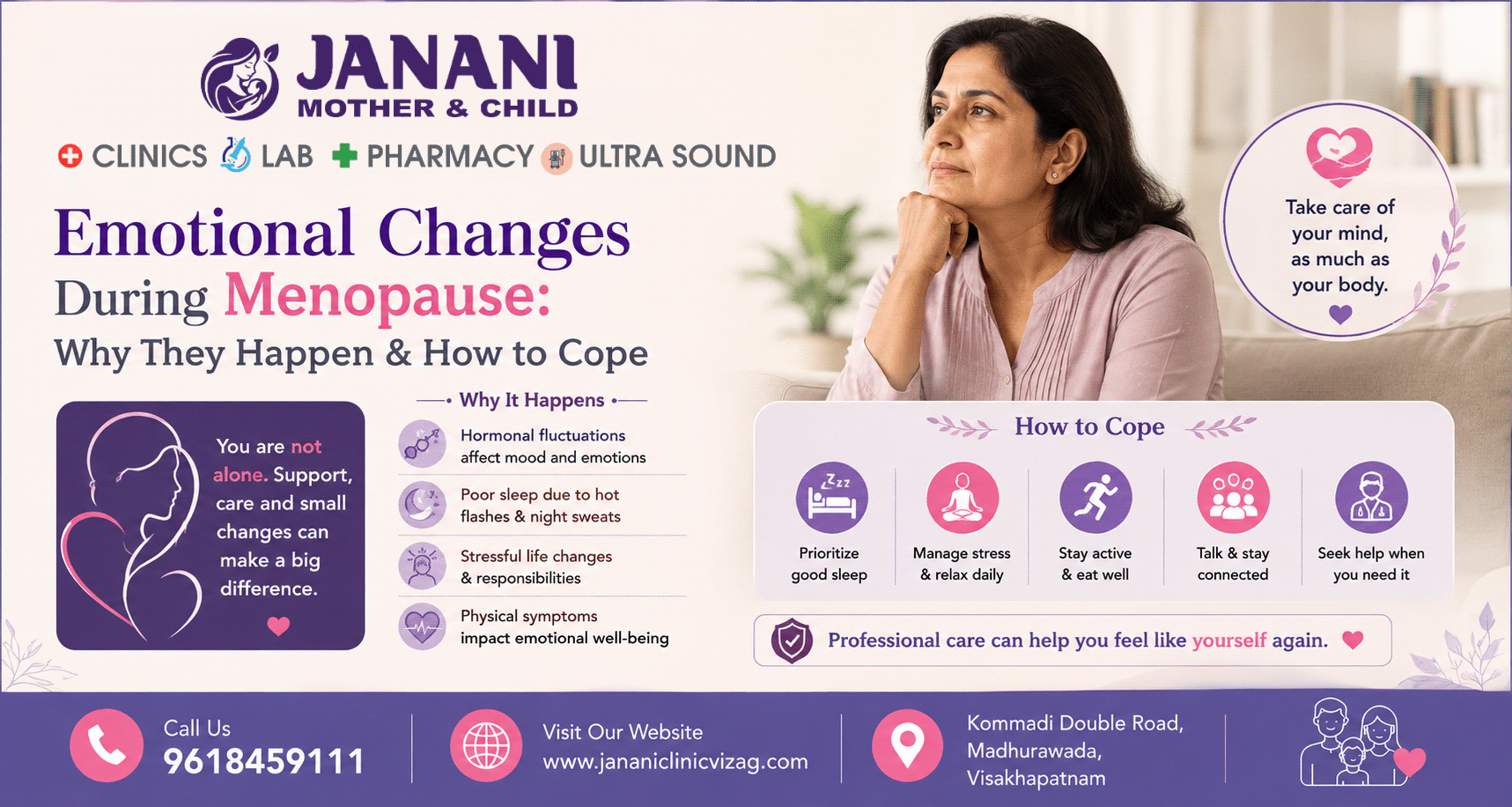
Menopause is often associated with physical symptoms such as hot flashes, night sweats, and irregular periods. But for many women, the emotional changes that occur during the menopause transition can be just as challenging.
You may find yourself feeling more irritable than usual, unexpectedly tearful, anxious, low in mood, or emotionally overwhelmed. These experiences are real, common, and not simply something you should “put up with.” Hormonal fluctuations, sleep disruption, physical symptoms, and the pressures of midlife can all contribute to changes in mood and emotional well-being.
What Emotional Changes Can Happen During Menopause?
Every woman’s experience is different. Some women notice only mild emotional changes, while others find that their symptoms significantly affect their relationships, work, or daily life.
Common emotional and cognitive changes can include:
▸ Mood swings
▸ Irritability
▸ Increased sensitivity
▸ Feeling tearful or emotional
▸ Anxiety or excessive worrying
▸ Low mood
▸ Difficulty concentrating
▸ Forgetfulness or “brain fog”
▸ Reduced motivation
▸ Feeling overwhelmed
These symptoms can occur during perimenopause, the transition leading up to menopause, and may continue during or after menopause for some women.
Why Do Emotional Changes Happen?
1. Hormonal Fluctuations
During perimenopause, estrogen levels can fluctuate significantly. Estrogen receptors are present in areas of the brain involved in mood regulation, and these hormonal shifts may contribute to emotional symptoms in some women. However, the relationship between hormones and mood is complex and can vary from person to person.
2. Poor Sleep and Night Sweats
Hot flashes and night sweats can interfere with sleep. Poor-quality or insufficient sleep can leave you feeling tired, irritable, stressed, and less able to cope with everyday challenges.
Over time, ongoing sleep disruption can also affect concentration, decision-making, and emotional well-being.
3. Stressful Life Changes
The menopause transition often occurs during a demanding period of life. Women may be balancing careers, family responsibilities, financial concerns, changing relationships, or caring for aging parents.
These stresses do not occur because of menopause, but they can combine with hormonal and physical changes to make emotional symptoms feel more intense.
4. Physical Symptoms
Persistent hot flashes, vaginal discomfort, changes in sexual health, fatigue, and other menopausal symptoms can affect confidence, relationships, and overall quality of life. When physical symptoms are difficult to manage, emotional well-being may suffer too.
Are Anxiety and Depression More Common During Menopause?
The menopause transition can be a period of increased vulnerability to depression, particularly for women with a previous history of depression or significant mood problems. Anxiety may also become more noticeable during this time.
It is important not to dismiss persistent anxiety or depression as “just menopause.” While hormonal changes may contribute, significant or ongoing symptoms deserve proper evaluation and treatment.
Seek medical advice if you experience:
▸ Persistent sadness or hopelessness
▸ Loss of interest in activities you normally enjoy
▸ Severe anxiety or panic
▸ Difficulty functioning at work or home
▸ Significant changes in sleep or appetite
▸ Feelings of worthlessness
▸ Thoughts of harming yourself
Mental health concerns are treatable, and getting help early can make a meaningful difference.
How Can You Cope With Emotional Changes?
Prioritize Good Sleep
Improving sleep can have a positive effect on mood and energy levels. Try to:
▸ Keep a regular sleep schedule
▸ Keep your bedroom cool and comfortable
▸ Reduce screen use before bedtime
▸ Avoid heavy meals close to bedtime
▸ Limit caffeine later in the day
If night sweats or insomnia are regularly disturbing your sleep, speak with your doctor about treatment options.
Stay Physically Active
Regular exercise can support both physical and emotional health. Depending on your fitness and medical condition, activities such as walking, yoga, swimming, cycling, or strength training may be helpful.
Exercise can also provide an opportunity to reduce stress and take time for yourself.
Practice Stress-Reduction Techniques
Simple relaxation practices may help you feel more in control. Consider:
▸ Deep breathing exercises
▸ Meditation
▸ Yoga
▸ Gentle stretching
▸ Journaling
▸ Listening to music
▸ Spending time outdoors
▸ Reading or pursuing hobbies
There is no single technique that works for everyone. The important thing is to find a healthy routine that you enjoy and can maintain.
Maintain Social Connections
Talking openly with a trusted partner, friend, family member, or healthcare professional can help reduce feelings of isolation.
You do not have to manage menopause alone. Sharing your experience may also help others understand the changes you are going through.
Consider Cognitive Behavioral Therapy
Cognitive behavioral therapy (CBT) is a form of talking therapy that may help with low mood, anxiety, sleep problems, and coping with menopausal symptoms. Your doctor can advise whether CBT or another form of psychological support may be appropriate for you.
When Should You Consider Medical Treatment?
Lifestyle changes are helpful for many women, but some symptoms require additional treatment.
Depending on your symptoms, medical history, and individual circumstances, your healthcare professional may discuss options such as:
▸ Treatment for troublesome menopausal symptoms
▸ Hormone therapy when appropriate
▸ CBT or other psychological therapies
▸ Medication for depression or anxiety when indicated
▸ Treatment to improve sleep or other symptoms affecting your quality of life
The right treatment is individual. Hormone therapy, for example, is not suitable for everyone, and the decision should be made after discussing the potential benefits and risks with a qualified healthcare professional.
Keep Track of Your Symptoms
Keeping a simple record of your symptoms can help you and your doctor identify patterns. You might note:
▸ Mood changes
▸ Anxiety levels
▸ Sleep quality
▸ Hot flashes and night sweats
▸ Menstrual changes, if you are still having periods
▸ Factors that make symptoms better or worse
This information can make consultations more productive and help guide your care plan.
At Janani Mother & Child, Dr. Chelamkuri Mrudula provides compassionate, personalized menopause care to help women understand and manage the physical and emotional changes that can occur during this important stage of life. Through individualized guidance and appropriate treatment options, Dr. Chelamkuri Mrudula helps women navigate menopause with greater comfort, confidence, and support.
