


- admin
- August 7, 2026
- No Comments
Blog Details
Understanding High-Risk Pregnancy: Causes and Care
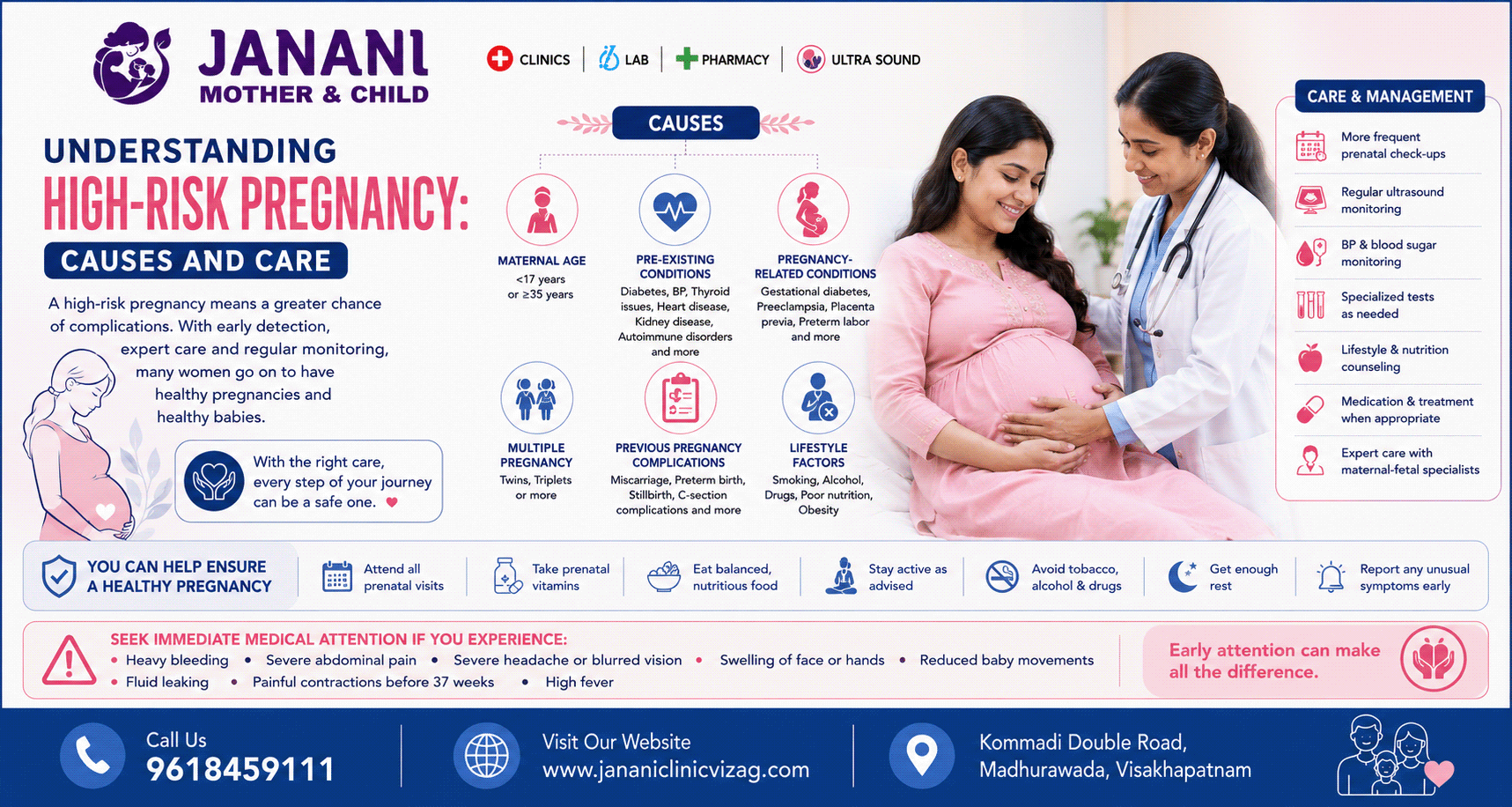
Some pregnancies require closer monitoring to ensure the health and safety of both mother and baby. A high-risk pregnancy simply means that there is a greater chance of complications during pregnancy, labor, or delivery. While the term may sound alarming, many women with high-risk pregnancies go on to have healthy pregnancies and healthy babies with the right medical care.
Understanding what makes a pregnancy high-risk and the importance of regular prenatal care can help you feel more confident and prepared throughout your pregnancy.
What Is a High-Risk Pregnancy?
A high-risk pregnancy is one in which the mother, baby, or both have an increased likelihood of developing health complications. This doesn’t necessarily mean something will go wrong—it simply means that additional monitoring, tests, or treatments may be needed.
Your obstetrician will work closely with you to reduce risks and help ensure the best possible outcome.
What Can Cause a High-Risk Pregnancy?
Several factors can increase the risk of pregnancy complications.
Maternal Age
Pregnancy may be considered higher risk if:
▸ The mother is younger than 17 years.
▸ The mother is 35 years or older.
Women over 35 may have a slightly higher risk of conditions such as gestational diabetes, high blood pressure, and chromosomal abnormalities.
Pre-Existing Medical Conditions
Certain medical conditions present before pregnancy can increase the risk of complications, including:
▸ High blood pressure
▸ Diabetes
▸ Thyroid disorders
▸ Heart disease
▸ Kidney disease
▸ Autoimmune conditions
▸ Epilepsy
Proper management before and during pregnancy is essential.
Pregnancy-Related Conditions
Some conditions develop during pregnancy and require additional care, such as:
▸ Gestational diabetes
▸ Pregnancy-induced hypertension
▸ Preeclampsia
▸ Placenta previa
▸ Placental abruption
▸ Preterm labor
Early diagnosis allows for timely treatment and closer monitoring.
Multiple Pregnancy
Women carrying twins, triplets, or more are at increased risk of:
▸ Preterm birth
▸ Low birth weight
▸ Gestational hypertension
▸ Gestational diabetes
These pregnancies usually require more frequent prenatal visits and ultrasound examinations.
Previous Pregnancy Complications
Your pregnancy may also be considered high-risk if you have previously experienced:
▸ Miscarriage
▸ Stillbirth
▸ Preterm birth
▸ Cesarean delivery with complications
▸ Pregnancy-related hypertension
▸ Severe postpartum hemorrhage
Your doctor will review your medical history carefully to create a personalized care plan.
Lifestyle Factors
Certain lifestyle habits can increase pregnancy risks, including:
▸ Smoking
▸ Alcohol use
▸ Recreational drug use
▸ Poor nutrition
▸ Obesity
Adopting healthy lifestyle habits before and during pregnancy can significantly improve outcomes.
Signs That Need Immediate Medical Attention
During pregnancy, contact your doctor immediately if you experience:
▸ Heavy vaginal bleeding
▸ Severe abdominal pain
▸ Persistent severe headache
▸ Blurred vision
▸ Swelling of the face or hands
▸ Reduced baby movements (after your doctor advises monitoring)
▸ Fluid leaking from the vagina
▸ High fever
▸ Painful contractions before 37 weeks
Prompt medical evaluation can make a significant difference.
How Are High-Risk Pregnancies Managed?
Management depends on the specific risk factors and the stage of pregnancy.
Your care may include:
▸ More frequent prenatal check-ups
▸ Regular ultrasound scans
▸ Blood pressure monitoring
▸ Blood sugar monitoring if needed
▸ Specialized blood tests
▸ Fetal growth monitoring
▸ Lifestyle and nutritional counseling
▸ Medication when appropriate
▸ Consultation with maternal-fetal medicine specialists for complex cases
The goal is to detect potential problems early and provide timely treatment.
How Can You Help Ensure a Healthy Pregnancy?
You can play an important role in maintaining a healthy pregnancy by:
▸ Attending all prenatal appointments
▸ Taking prenatal vitamins as prescribed
▸ Eating a balanced, nutritious diet
▸ Staying physically active as advised by your doctor
▸ Drinking plenty of water
▸ Getting enough rest
▸ Avoiding tobacco, alcohol, and recreational drugs
▸ Taking medications only after consulting your doctor
▸ Reporting any unusual symptoms promptly
Following your doctor’s recommendations can help reduce many pregnancy-related risks.
Can High-Risk Pregnancies Have Healthy Outcomes?
Absolutely. Many women diagnosed with high-risk pregnancies deliver healthy babies. Advances in prenatal care, improved monitoring, and early intervention have greatly increased the chances of positive outcomes.
The key is early diagnosis, regular medical care, and close communication with your healthcare provider.
A high-risk pregnancy does not mean you cannot have a healthy pregnancy or a healthy baby. It simply means you and your baby may benefit from additional care and monitoring. Understanding your risk factors, attending regular prenatal visits, and following medical advice can make a significant difference in achieving the best possible outcome.
At Janani Mother & Child, Dr. Chelamkuri Mrudula provides comprehensive prenatal care for both routine and high-risk pregnancies. With personalized monitoring, advanced diagnostic support, and compassionate guidance, Dr. Chelamkuri Mrudula is dedicated to helping expectant mothers navigate pregnancy safely and confidently, ensuring the best possible care for both mother and baby.
